Ever seen someone say “I have aphantasia” in a chat, comment section, or DM—and thought, “Wait… what does that even mean?” You’re not alone.
In today’s online world, people casually talk about mental experiences, brain differences, and self-awareness more than ever. That’s why understanding the aphantasia meaning is important—not just for knowledge, but to avoid confusion, awkward replies, or misunderstandings in conversations.
Updated for 2026, this guide explains aphantasia in clear, human, and simple language, with real-life examples, chat-style usage, and common mistakes people make. No medical jargon. No boring textbook vibes.
Let’s break it down 👇
What Does Aphantasia Mean? (Definition & Origin)
Aphantasia Meaning (Simple Definition)
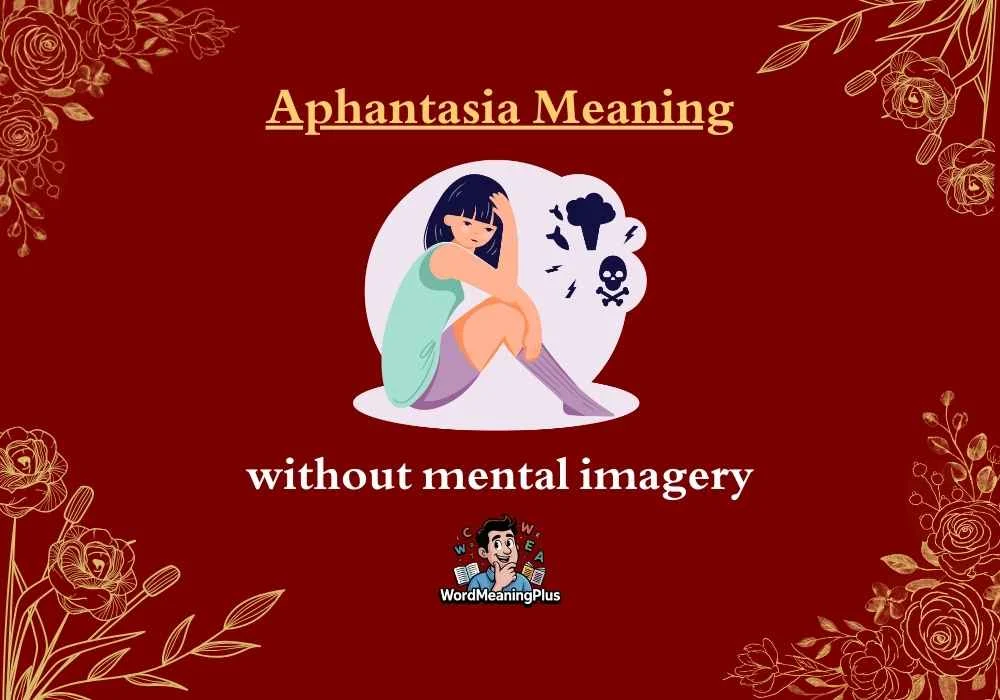
Aphantasia means the inability to mentally visualize images.
In simple words:
👉 People with aphantasia cannot see pictures in their mind, even when they try.
For example:
- If you say, “Picture a beach”
- Most people see sand, water, and sky
- Someone with aphantasia sees… nothing
No images. No mental pictures. Just thoughts or concepts.
Important: Aphantasia is not a disease, illness, or disorder.
Where Did the Term Aphantasia Come From?
The word aphantasia comes from:
- Greek “a” = without
- Greek “phantasia” = imagination or image
So literally:
Aphantasia = without mental imagery
The term became popular around 2015, but it really exploded online between 2020–2025, thanks to:
- TikTok mental health videos
- Reddit discussions
- Twitter/X threads
- YouTube explainers
Now it’s common to see it mentioned casually in chats and comments.
How Aphantasia Is Used in Texts or Online Chats
Unlike slang like LOL or BRB, aphantasia is a real psychological term—but people now use it casually in everyday online conversations.
Common Chat Contexts
You’ll usually see aphantasia used when people talk about:
- Imagination
- Reading books
- Dreams
- Memories
- Creativity
- Brain differences
Typical Chat Examples
- “I just found out I have aphantasia 😭”
- “That explains why I hate visualization exercises—aphantasia”
- “Wait, people can actually SEE images in their head?? I have aphantasia”
- “I don’t daydream visually. It’s aphantasia, I guess.”
In chats, it’s often:
- Self-discovery
- Casual explanation
- A “mind-blown” moment
Examples of Aphantasia in Real Conversations
Let’s look at realistic chat-style examples so you can recognize it instantly.
Example 1: Text Message
Friend:
“Imagine your dream house 🏠✨”
Reply:
“Yeah… I can’t 😅 I have aphantasia”
Example 2: Social Media Comment
Post:
“Close your eyes and picture your childhood home.”
Comment:
“Must be nice. Aphantasia gang here 🙋♂️”
Example 3: Reddit or Forum Chat
“When people say ‘visualize success,’ I never understood how. Turns out I have aphantasia.”
Example 4: Funny Usage
- “Guided meditation: picture a calm lake
Me with aphantasia: 🧠❌”
These examples show how casually the word is used now—often with humor or self-awareness.
How to Use Aphantasia Correctly in Conversations
If you want to use aphantasia naturally (and correctly), keep these tips in mind.
Use It When Talking About Mental Images
Correct usage:
- Imagination
- Visual thinking
- Memory recall
- Reading experiences
❌ Incorrect usage:
- Mood
- Intelligence
- Mental health diagnosis
- Creativity level
Good Sentence Examples
✔ “I don’t visualize faces—aphantasia thing.”
✔ “Reading novels is different for me because of aphantasia.”
✔ “I think in words, not pictures. That’s aphantasia.”
Avoid Overusing It
It’s not a buzzword to drop everywhere. Use it only when relevant, or it can sound forced.
Common Mistakes & Misunderstandings About Aphantasia
Many people misunderstand the aphantasia meaning, especially online. Let’s clear up the biggest myths.
Mistake #1: Thinking Aphantasia = No Imagination
❌ Wrong.
People with aphantasia:
- Can be creative
- Can write stories
- Can design, code, and problem-solve
They just don’t visualize images.
Mistake #2: Assuming It’s a Mental Illness
❌ False.
Aphantasia is:
- A mental variation
- Not listed as a disorder
- Not something that needs “fixing”
Mistake #3: Confusing It with Memory Loss
People with aphantasia remember things, just not visually.
They may remember:
- Facts
- Feelings
- Concepts
Just not pictures in their mind.
Mistake #4: Thinking It’s Rare
Recent online discussions suggest:
- Up to 1–4% of people may have it
- Many discover it by accident through social media
Related Slang, Terms & Abbreviations
If you’re researching aphantasia meaning, you’ll often see these related terms online.
Common Related Terms
- Hyperphantasia – Extremely vivid mental imagery (the opposite of aphantasia)
- Visualization – Mental image creation
- Neurodivergent – Brain differences (not the same, but often discussed together)
- Inner monologue – Voice inside your head
- Mind’s eye – Ability to visualize
Chat-Style Comparisons
- “I have aphantasia, no pictures.”
- “I have hyperphantasia, full HD movies in my head.”
These comparisons are very common in Reddit and TikTok comments.
Why Aphantasia Is Trending Online (2025 Update)
The reason aphantasia meaning is searched so much in 2025 is simple:
Why It’s Popular Now
- Viral TikTok videos explaining it
- Podcasts discussing brain differences
- Mental health awareness trends
- People realizing “Wait… my brain works differently”
Many people discover aphantasia later in life, often through:
- Casual tweets
- Comment sections
- Group chats
That “aha moment” makes it extremely shareable.
Is Aphantasia Used as Slang?
Not exactly—but it’s casually used.
Think of it as:
- A real term
- Used in a relaxed, chat-friendly way
Example:
- “I can’t picture that lol—aphantasia problems”
So while it’s not slang like OMG, it behaves like modern internet vocabulary.
How to Respond When Someone Mentions Aphantasia
If someone says they have aphantasia, here’s how to reply naturally:
Good Responses
- “Oh wow, I didn’t know that!”
- “That’s interesting—brains are wild.”
- “Thanks for explaining!”
Avoid Saying
❌ “Are you sure?”
❌ “That sounds fake.”
❌ “Just try harder.”
Respect goes a long way in online conversations.
SEO Tip: Internal Linking Ideas
If this article is on your blog, consider linking to:
- “What Does Neurodivergent Mean in Text?”
- “Inner Monologue Meaning Explained”
- “Hyperphantasia vs Aphantasia”
- “Modern Psychology Terms Used Online”
This improves SEO and user experience.
Final Thoughts: Aphantasia Meaning in Simple Words
To sum it up:
Aphantasia means not being able to see images in your mind, even when you try. It’s not an illness, not a flaw, and not rare—it’s just a different way the brain works.
In 2025, the word is commonly used in:
- Text messages
- Social media
- Forums
- Casual chats
Understanding the aphantasia meaning helps you:
- Avoid confusion
- Respond respectfully
- Sound informed online
Brains aren’t one-size-fits-all—and that’s what makes these conversations interesting.

Michel Joy is a passionate writer and language enthusiast who loves exploring the meanings of words, modern slang, and internet abbreviations. As the author of WordMeaningPlus.com, Michel Joy’s goal is to help readers understand the true meaning of words, phrases, and texting slang in simple and easy English.
With a strong interest in language, communication, and online trends, Michel Joy writes informative articles that explain word meanings, chat abbreviations, and social media slang in a way that is clear, helpful, and easy to understand. The main mission of WordMeaningPlus.com is to make language learning simple for everyone, especially students, bloggers, and internet users who want quick and accurate meanings.