In today’s fast-moving digital world, words don’t always mean what they used to. One term that often confuses people—especially in texts, chats, and online conversations—is “inbound.” You might see it on social media, in DMs, or even in casual group chats and wonder: What does inbound mean here?
Understanding the inbound meaning in text and chat helps you avoid awkward replies, miscommunication, and missed context—especially as internet slang keeps evolving. This guide is updated for 2026, written in simple language, and packed with real-life examples so you can use inbound like a pro.
What Does Inbound Mean in Text?
Inbound Meaning (Simple Definition)
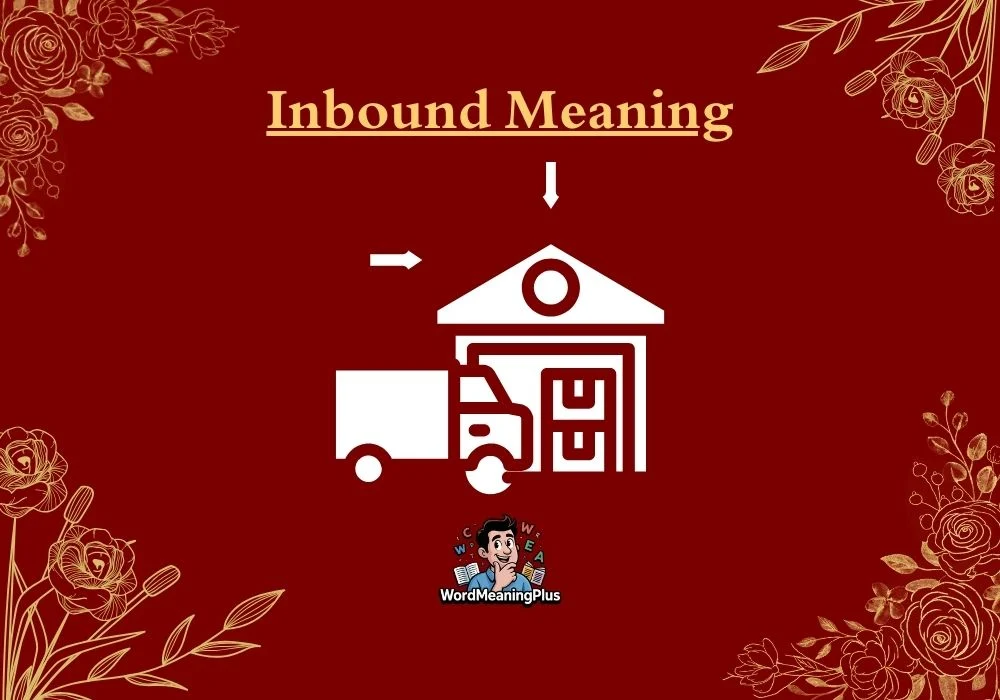
In texting and online chat, inbound means:
Something is coming toward you or has been sent to you.
It usually refers to:
- A message
- A call
- A file
- Money
- Information
- Or even a person on the way
In short:
👉 Inbound = on the way to you
Where Did the Word Inbound Come From?
The word inbound originally comes from:
- Aviation (planes inbound to an airport)
- Logistics & shipping (goods arriving)
- Sales & marketing (inbound leads)
Over time, people shortened and reused it in casual digital conversations, especially in:
- Workplace chats (Slack, Teams)
- Text messages
- Social media DMs
- Gaming and online communities
Now, it’s common slang—especially when you want to sound quick, modern, or professional without typing too much.
How to Use Inbound in Texts or Chat
The Basic Rule
Use inbound when something is coming toward the receiver.
✔ Correct usage:
- Messages
- Calls
- Emails
- Files
- Payments
- People
❌ Not ideal when:
- Something already arrived (use received)
- Something is going away (use outbound or sent)
Common Contexts Where Inbound Is Used
Inbound is popular in:
- 📱 Text messages
- 💬 Workplace chat apps (Slack, Discord, Teams)
- 📸 Social media (Instagram, X, Reddit)
- 🎮 Gaming chats
- 💼 Business and freelancing conversations
Examples of Inbound in Conversations
1. Texting Friends
Friend: Did you send the pics?
You: Yep, they’re inbound 📸
Meaning: The pictures are on the way.
2. Work or Professional Chat
Manager: When is the report coming?
You: It’s inbound, should arrive in 2 mins.
Meaning: The report has been sent or is being sent.
3. Social Media DMs
User: Can you send the link?
Reply: Inbound 🔗
Meaning: I’m sending it right now.
4. Gaming Chat
Teammate: Need backup ASAP!
You: Inbound!
Meaning: I’m coming to help you.
5. Money or Payments
Client: Did you send the payment?
You: Yes, payment is inbound 💸
Meaning: The money is on its way.
Subtle Meanings of Inbound (Context Matters)
Depending on context, inbound can slightly change meaning:
- “Message inbound” → I’m sending you a message
- “Call inbound” → I’m about to call you
- “Info inbound” → I’m sending details now
- “Inbound now” → It’s happening immediately
💡 Pro tip: Tone matters. Adding emojis makes it feel casual, while plain text feels more professional.
Common Mistakes or Misunderstandings
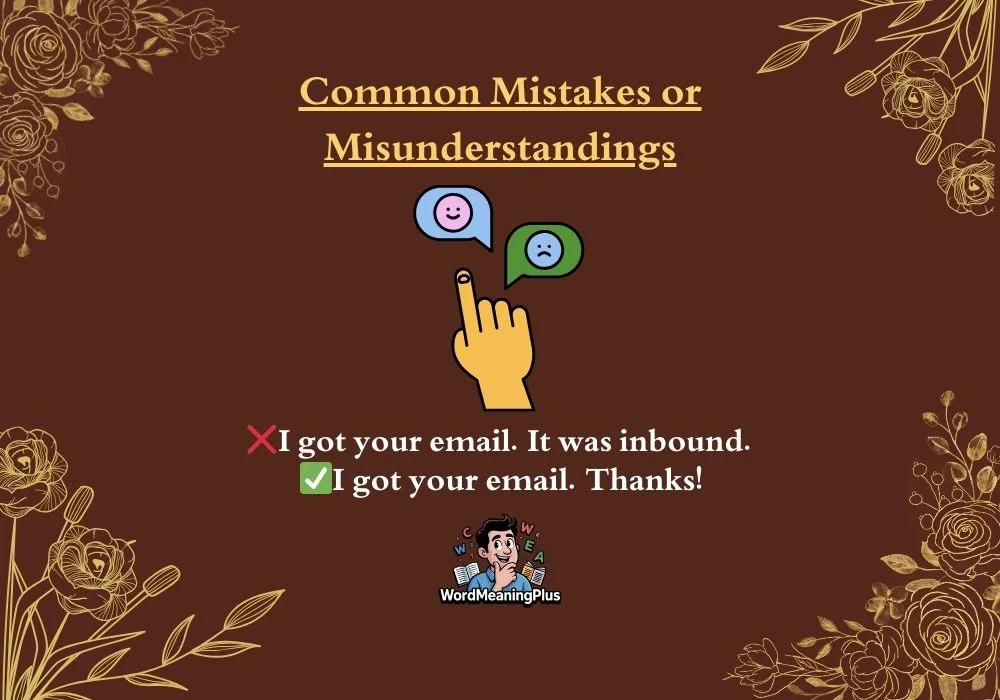
Even though inbound is simple, people still misuse it. Let’s clear that up.
❌ Mistake 1: Using Inbound After Something Arrived
Wrong:
I got your email. It was inbound.
Correct:
I got your email. Thanks!
Use inbound only before or during delivery, not after.
❌ Mistake 2: Using Inbound for Outgoing Things
Wrong:
I sent him a message. It’s inbound.
Correct:
I sent him a message.
OR
Message outbound.
Inbound is toward you, not away from you.
❌ Mistake 3: Using It in Emotional Contexts
Wrong:
Sad vibes inbound from me 😢
This sounds awkward. Use inbound for actions or items, not emotions.
Why People Use Inbound Instead of “Sent” or “Coming”
So why not just say sent or on the way?
Because inbound is:
- ✅ Faster to type
- ✅ More modern
- ✅ Slightly professional
- ✅ Clear in real-time chats
It’s perfect for short, efficient communication, especially in 2025’s fast chat culture.
Related Slangs & Abbreviations (You Should Know These)
If you understand inbound, you’ll also see these often:
🔹 Outbound
- Meaning: Sent away
- Example: “Email outbound.”
🔹 OTW
- Meaning: On the way
- Example: “Docs OTW.”
🔹 BRB
- Meaning: Be right back
- Example: “BRB, file inbound soon.”
🔹 Sent
- Meaning: Already delivered
- Example: “Just sent it.”
🔹 Ping
- Meaning: Send a quick message
- Example: “Ping me when inbound.”
(Internal linking suggestion: Create separate articles for “OTW meaning,” “Outbound meaning,” and “Ping meaning in chat.”)
Is Inbound Formal or Casual?
The cool thing about inbound is that it works in both tones.
Casual Use:
- Friends
- Gaming
- Social media
- DMs
Semi-Formal Use:
- Work chats
- Freelancing
- Startup culture
- Remote teams
🚫 Not ideal for:
- Legal documents
- Academic writing
- Very formal emails
Inbound Meaning in 2025: Is It Still Relevant?
Yes—more than ever.
In 2025:
- Remote work is normal
- Fast replies matter
- Short messages win
Inbound fits perfectly into modern communication where:
- Speed > long sentences
- Clarity > extra words
You’ll see it frequently in:
- AI-assisted chats
- Business messaging
- Creator communities
- Digital teamwork
Quick Cheat Sheet: Inbound Meaning
Inbound = Coming to you
Used for = Messages, files, calls, people
Best for = Texts, chat, work apps
Opposite = Outbound
Final Thoughts: Should You Use Inbound?
Absolutely—if you want to sound current, efficient, and confident in digital conversations.
To recap:
- Inbound means something is coming your way
- It’s widely used in texting, chat, and work messages
- Context matters—use it before delivery, not after
- It’s still trending and relevant in 2025
Once you start using inbound, you’ll notice how naturally it fits into everyday chats.

Anderson is a passionate writer and language enthusiast who loves exploring the meanings of words, modern slang, and internet abbreviations. As the author of WordMeaningPlus.com, Anderson’s goal is to help readers understand the true meaning of words, phrases, and texting slang in simple and easy English.
With a strong interest in language, communication, and online trends, Anderson writes informative articles that explain word meanings, chat abbreviations, and social media slang in a way that is clear, helpful, and easy to understand. The main mission of WordMeaningPlus.com is to make language learning simple for everyone, especially students, bloggers, and internet users who want quick and accurate meanings.