Understanding the psychoanalysis meaning is more important today than ever. You’ll see this word pop up everywhere — from TikTok captions and Twitter debates to therapy chats, memes, and even casual texting. People say things like “Don’t psychoanalyze me” or “That post needs psychoanalysis” — but what does it actually mean?
In this guide, we’ll break down psychoanalysis meaning in simple, human language, explain where it comes from, how people use it online and offline, and how to avoid common misunderstandings. Whether you’re a student, content creator, or just curious, this article is fully updated for 2026 and written to help real people — not confuse them.
What Does “Psychoanalysis” Mean? (Definition & Origin)
Simple Definition of Psychoanalysis
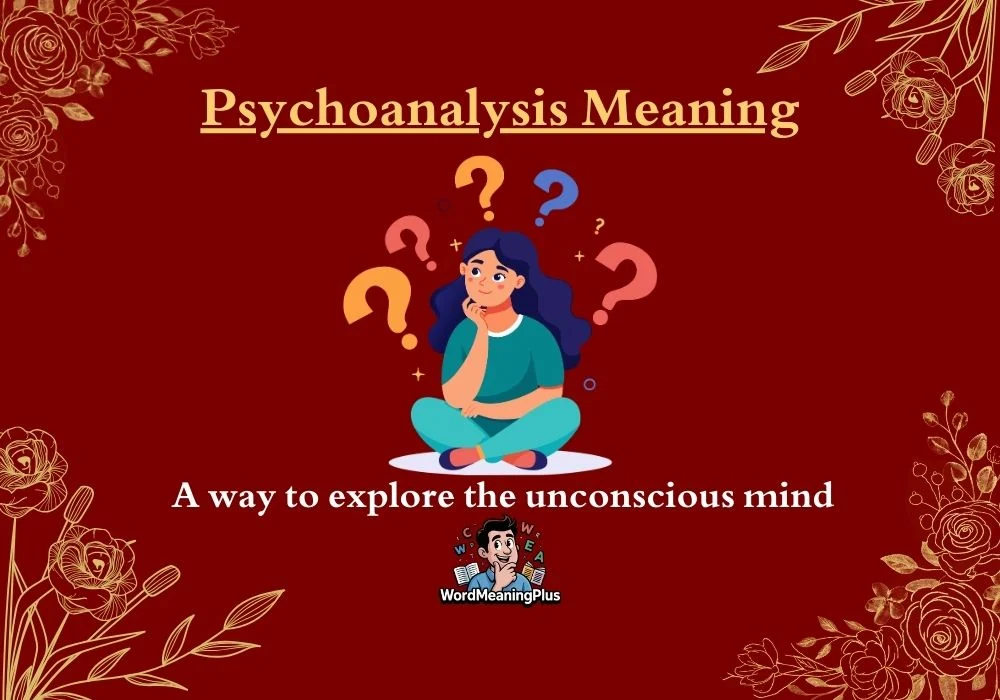
Psychoanalysis means deeply analyzing a person’s thoughts, feelings, or behavior to understand hidden emotions or motives, often linked to the subconscious mind.
In everyday language, when someone says:
- “You’re psychoanalyzing me,”
They usually mean:
- “You’re overthinking my actions or trying to read my mind.”
So yes — the meaning changes depending on context.
The Original Meaning (Where It Comes From)
The term psychoanalysis was created by Sigmund Freud in the late 1800s.
Originally, psychoanalysis was:
- A psychological theory
- A therapy method
- A way to explore the unconscious mind
Freud believed:
- Past experiences (especially childhood)
- Hidden thoughts
- Repressed emotions
👉 All influence how we think, feel, and act today.
That’s the classic psychoanalysis meaning — deep, clinical, and therapy-based.
Modern Meaning (How People Use It Today)
In 2025, the meaning has expanded.
Today, psychoanalysis can mean:
- Overanalyzing someone’s behavior
- Trying to guess emotional motives
- Reading too much into words or actions
- Acting like a “mind reader”
📱 Especially common in:
- Texting
- Social media
- Online arguments
- Meme culture
How to Use “Psychoanalysis” in Texts or Chat
Casual Texting Use
In chats, psychoanalysis is often used jokingly or defensively.
Examples:
- “Bro stop psychoanalyzing my texts 😭”
- “It’s not that deep, don’t psychoanalyze me.”
Here, it means:
👉 “You’re thinking too much about what I said.”
Serious or Educational Use
In more formal or educational contexts, it keeps its original meaning.
Examples:
- “Freud’s psychoanalysis changed psychology.”
- “She’s studying psychoanalysis in therapy school.”
This refers to:
👉 A real psychological method
Tone Matters a LOT
The meaning of psychoanalysis changes based on tone:
| Tone | Meaning |
|---|---|
| Casual | Overthinking |
| Defensive | Stop reading into it |
| Academic | Psychological theory |
| Humorous | Light teasing |
| Critical | Unwanted emotional analysis |
Examples of “Psychoanalysis” in Real Conversations
Text Message Examples
Friend 1: Why did you reply with “ok” instead of “okay”?
Friend 2: Please don’t psychoanalyze my replies 😐
👉 Meaning: Stop overthinking.
Social Media Examples
- “People on Twitter psychoanalyze one emoji like it’s a thesis.”
- “TikTok comments psychoanalyzing a 5-second clip is wild.”
👉 Used to criticize overinterpretation.
Work or Study Context
- “The novel invites psychoanalysis of the main character.”
- “This film is perfect for psychoanalysis.”
👉 Refers to deep psychological interpretation.
Common Mistakes or Misunderstandings
Mistake 1: Thinking It Always Means Therapy
Not always.
- ❌ “Stop psychoanalyzing me” ≠ “Stop being my therapist”
- ✅ It usually means “Stop overthinking my actions.”
Mistake 2: Using It Too Aggressively
Sometimes people use psychoanalysis to shut down real feelings.
Example:
- “You’re psychoanalyzing me”
When the other person is just expressing emotions.
⚠️ This can feel dismissive.
Mistake 3: Confusing It With Psychology
Psychology = broad study of the mind
Psychoanalysis = one specific approach within psychology
They are NOT the same.
Related Slangs or Abbreviations
Here are slang or modern terms closely related to psychoanalysis meaning in chats:
Overthinking
- Most common replacement
- “You’re overthinking this.”
Reading Too Much Into It
- Polite version
- “You’re reading too much into my tone.”
Mind Reading
- Sarcastic
- “Did you read my mind or something?”
Gaslighting (Misused Often)
- Not the same, but confused a lot
- Psychoanalysis ≠ gaslighting
Projecting
- When someone accuses others of their own feelings
- Often confused with psychoanalysis
👉 Internal linking idea:
Link to articles like “Overthinking Meaning in Text” or “Gaslighting Meaning Online”
When Should You Use “Psychoanalysis”? (Practical Tips)
Use It When:
- Someone is clearly overanalyzing
- You want to joke lightly
- You’re discussing psychology or literature
- The tone is friendly
Avoid It When:
- Someone is sharing real emotions
- The situation is sensitive
- It could sound dismissive
- You’re in a serious relationship talk
💡 Pro tip: Emojis soften the message 😅
Why “Psychoanalysis” Is Trending Again in 2025
The word is making a comeback because of:
- Therapy content on TikTok
- Mental health awareness
- Relationship psychology reels
- Meme culture
People love:
- Diagnosing fictional characters
- Analyzing influencers
- Overthinking texts
So yes — psychoanalysis meaning is now part of everyday internet language.
Quick Summary: Psychoanalysis Meaning
Let’s recap in simple words:
- Psychoanalysis originally means a psychological method created by Freud
- In modern chats, it often means overthinking or reading too much into behavior
- Tone and context decide the meaning
- It’s common in texting, social media, and online discussions
- Misusing it can sound dismissive — so use wisely
Final Thoughts (Updated for 2025)
The psychoanalysis meaning has evolved from therapy rooms to text messages and memes. Today, it’s both a serious psychological term and a casual way to say “You’re overthinking.” Knowing the difference helps you communicate better and avoid awkward misunderstandings.
Language keeps changing — and that’s what makes internet slang so fun.

Anderson is a passionate writer and language enthusiast who loves exploring the meanings of words, modern slang, and internet abbreviations. As the author of WordMeaningPlus.com, Anderson’s goal is to help readers understand the true meaning of words, phrases, and texting slang in simple and easy English.
With a strong interest in language, communication, and online trends, Anderson writes informative articles that explain word meanings, chat abbreviations, and social media slang in a way that is clear, helpful, and easy to understand. The main mission of WordMeaningPlus.com is to make language learning simple for everyone, especially students, bloggers, and internet users who want quick and accurate meanings.