If you’ve ever seen a word used to stand in for something else and felt confused, you’re not alone. Understanding metonymy meaning is important today—not just in school or literature, but also in modern texting, social media, memes, and online conversations.
People now shorten ideas, replace long explanations with single words, and expect others to “get it.” That’s where metonymy comes in. Once you understand it, you’ll start noticing it everywhere—from chats and tweets to news headlines and pop culture.
This guide breaks down metonymy meaning in easy, human language, with relatable examples and modern context. ✔️
Updated for 2026 to match current communication trends.
What Does “Metonymy” Mean? (Definition & Origin)
Simple Definition of Metonymy
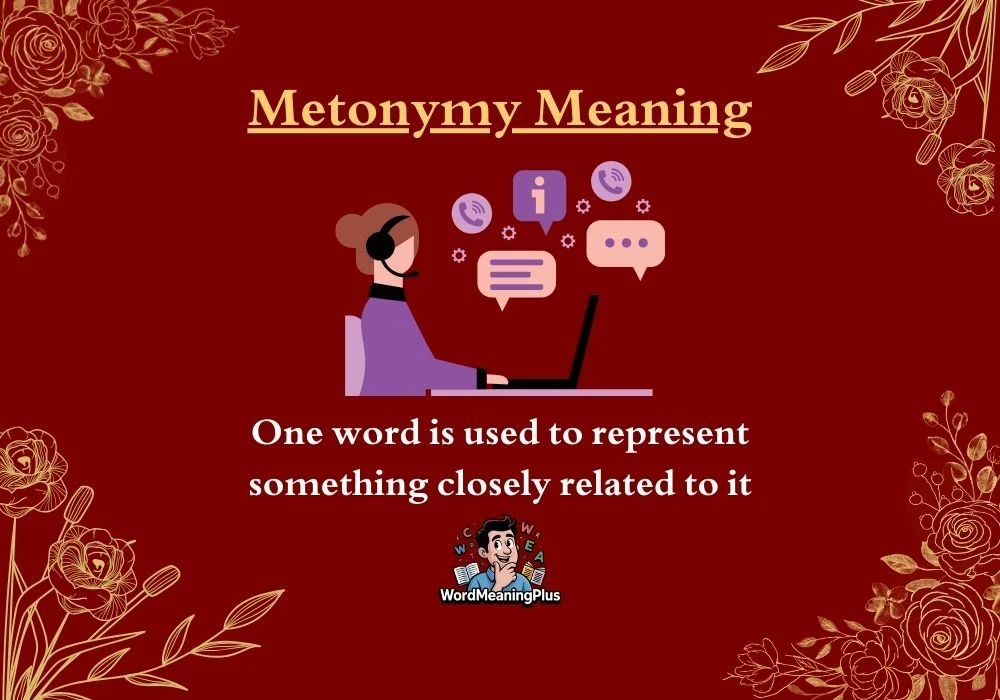
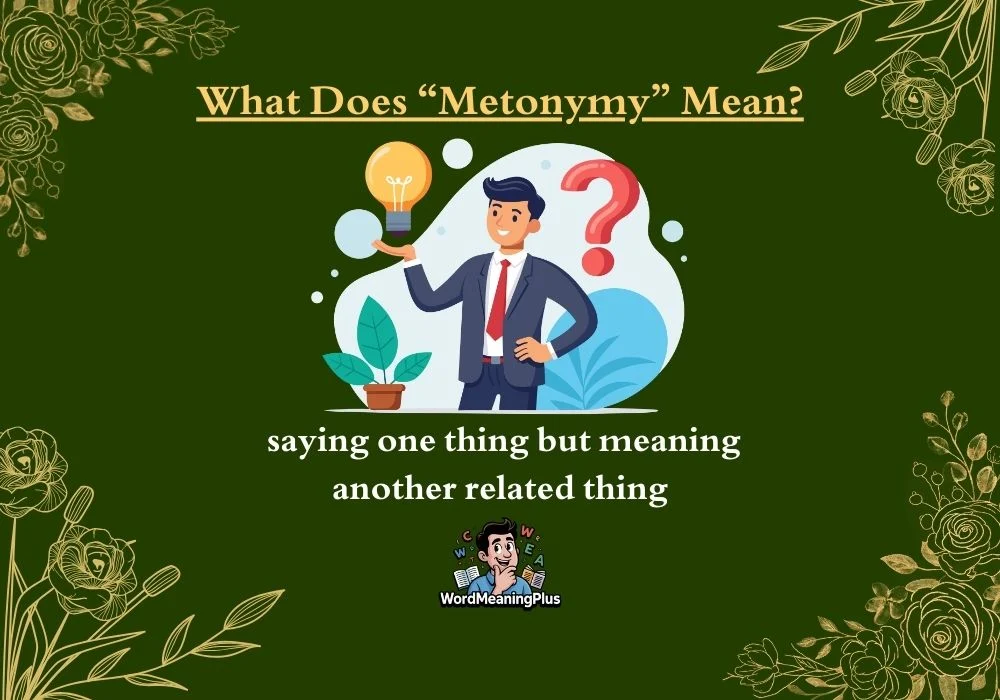
Metonymy is a figure of speech where one word is used to represent something closely related to it.
Instead of naming the thing directly, we use something connected to it.
👉 In short:
Metonymy = saying one thing but meaning another related thing
Easy Examples to Understand
- “The White House announced…”
👉 Means the U.S. government or president, not the building. - “Hollywood loves sequels.”
👉 Means the film industry, not the place. - “The crown will decide.”
👉 Means the king or queen, not an actual crown.
Where Does the Word “Metonymy” Come From?
The word metonymy comes from Greek:
- Meta = change
- Onyma = name
So it literally means “changing the name.”
People have used metonymy for thousands of years, but today it’s more relevant than ever because modern communication favors shortcuts and shared understanding.
Metonymy Meaning in Simple Words (No Grammar Stress 😄)
Let’s make it super simple:
- You don’t say the full thing
- You say something closely connected
- The listener understands the hidden meaning
Think of metonymy as a verbal shortcut.
Metonymy vs Literal Meaning
| Phrase | Literal Meaning | Real Meaning |
|---|---|---|
| “The pen is mightier than the sword” | Writing tools | Ideas & communication |
| “Wall Street reacted badly” | A street | Financial markets |
| “Silicon Valley is excited” | A location | Tech companies |
How Metonymy Is Used in Texting & Online Chat
You might be surprised, but metonymy is very common in texting and digital conversations—even if people don’t realize it.
Modern Chat & Social Media Usage
Here’s how metonymy shows up online:
- “Netflix dropped another hit”
👉 Netflix = the company/content creators - “Twitter is angry today”
👉 Twitter = users on the platform - “The algorithm hates me”
👉 Algorithm = platform rules/system
In chats, people prefer fast meaning over long explanations, making metonymy perfect for modern communication.
Why Metonymy Fits Digital Culture
- Short messages win 📱
- Everyone shares cultural context
- Platforms become symbols
- Brands replace long explanations
That’s why understanding metonymy meaning helps you read between the lines online.
Examples of Metonymy in Real Conversations
Let’s look at relatable, everyday examples 👇
Casual Conversation Examples
Friend: “The office wants this done today.”
👉 Office = boss or management
Text Message:
“Spotify knows my mood 😭”
👉 Spotify = recommendation system
Online Comment:
“TikTok raised a generation.”
👉 TikTok = content + influence + creators
Funny & Relatable Uses
- “My bed is calling.” 🛏️
👉 Bed = sleep/rest - “The kitchen is my therapist.” 🍕
👉 Kitchen = food comfort - “Coffee saved my life today.” ☕
👉 Coffee = energy boost
These playful uses make metonymy feel natural and human.
Common Mistakes or Misunderstandings About Metonymy
Many people confuse metonymy with other language tools. Let’s clear that up.
Metonymy vs Metaphor (Very Common Confusion)
| Metonymy | Metaphor |
|---|---|
| Uses something related | Compares two unlike things |
| “The crown decided” | “He is a lion” |
| Connection-based | Imagination-based |
👉 Tip:
If the word is closely connected in real life → metonymy
Metonymy vs Synecdoche
- Synecdoche: A part represents the whole
- “All hands on deck”
- Metonymy: A related concept represents the thing
- “The deck wants answers”
Both are similar, but not the same.
Overusing Metonymy
Using metonymy is powerful—but too much can confuse readers, especially if shared context is missing.
Bad example:
“The screen ruined my day.”
Without context, it’s unclear what screen means.
Where Metonymy Is Commonly Used (2025 Context)
Understanding metonymy meaning helps in many areas:
1. Social Media & Memes
- “Instagram hates small creators”
- “Reddit decided my opinion”
2. News & Headlines
- “The Pentagon responded”
- “Downing Street denied claims”
3. Marketing & Branding
- “Apple changed the game again”
- “Nike speaks to athletes”
4. Daily Speech
- “I need a break from screens”
- “The classroom was silent”
Related Slangs & Language Tools You Should Know
If you’re interested in metonymy, you’ll also like these:
- Metaphor – symbolic comparison
- Synecdoche – part-for-whole
- Euphemism – softer language
- Idioms – fixed expressions
- Slang shortcuts – modern text replacements
👉 Internal linking idea:
Link to articles like “Metaphor Meaning in Chat”, “Idiom Meaning Explained”, or “Common Figures of Speech in Texting”.
How to Use Metonymy Correctly (Practical Tips)
Want to use metonymy naturally? Follow these tips:
Best Practices
- ✔️ Make sure the connection is obvious
- ✔️ Use shared cultural knowledge
- ✔️ Keep context clear
- ✔️ Don’t overcomplicate
Example Done Right
“Google already knows this.”
Everyone understands Google = search engine + data system.
Why Metonymy Still Matters in 2025
Even with emojis, GIFs, and AI tools, words still matter. Metonymy helps:
- Save time ⏱️
- Add style 🎨
- Sound natural 🗣️
- Communicate smarter 🧠
It’s one of those language tools people use without realizing—especially online.
Final Thoughts: Metonymy Meaning Made Easy
To sum it up, metonymy meaning is simple once you see it in action. It’s all about using something closely related to represent a bigger idea. From texting and memes to news headlines and daily speech, metonymy is everywhere.
Understanding it helps you:
- Read messages more accurately
- Communicate smarter
- Enjoy language more

Anderson is a passionate writer and language enthusiast who loves exploring the meanings of words, modern slang, and internet abbreviations. As the author of WordMeaningPlus.com, Anderson’s goal is to help readers understand the true meaning of words, phrases, and texting slang in simple and easy English.
With a strong interest in language, communication, and online trends, Anderson writes informative articles that explain word meanings, chat abbreviations, and social media slang in a way that is clear, helpful, and easy to understand. The main mission of WordMeaningPlus.com is to make language learning simple for everyone, especially students, bloggers, and internet users who want quick and accurate meanings.