In today’s fast-moving digital world, words don’t always mean what they used to. One common word that often confuses people in texts, comments, and online chats is “bully.” Depending on context, it can sound serious, playful, sarcastic, or even motivational.
Understanding the bully meaning in texting and chat culture is important because tone is hard to read online. A single word can change the mood of a conversation. Whether you see it on social media, in gaming chats, or casual texts, knowing how “bully” is used helps you avoid misunderstandings and respond the right way.
👉 This guide breaks down the modern meaning of “bully” in simple, human language—no dictionary confusion, just real-life usage.
What Does “Bully” Mean? (Definition & Origin)
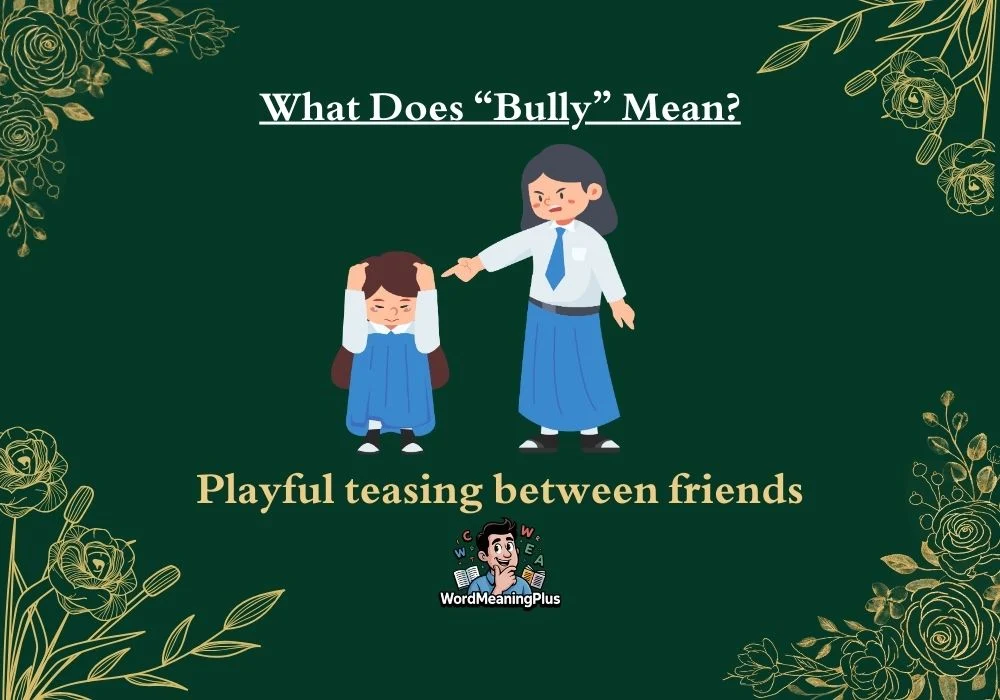
Traditional Meaning of Bully
Traditionally, the word bully refers to a person who:
- Repeatedly harms, threatens, or intimidates others
- Uses power, strength, or social status to control someone
Example (traditional):
He was bullied at school for being different.
This meaning is still very common, especially in serious discussions about mental health, schools, and workplaces.
Modern Bully Meaning in Texting & Online Chats
In online communication, bully meaning depends heavily on tone and context. While it still often refers to harassment, it can also be used in a casual, joking, or exaggerated way, especially among friends.
In 2025, “bully” in chat can mean:
- Someone being mean or aggressive (serious tone)
- Playful teasing between friends
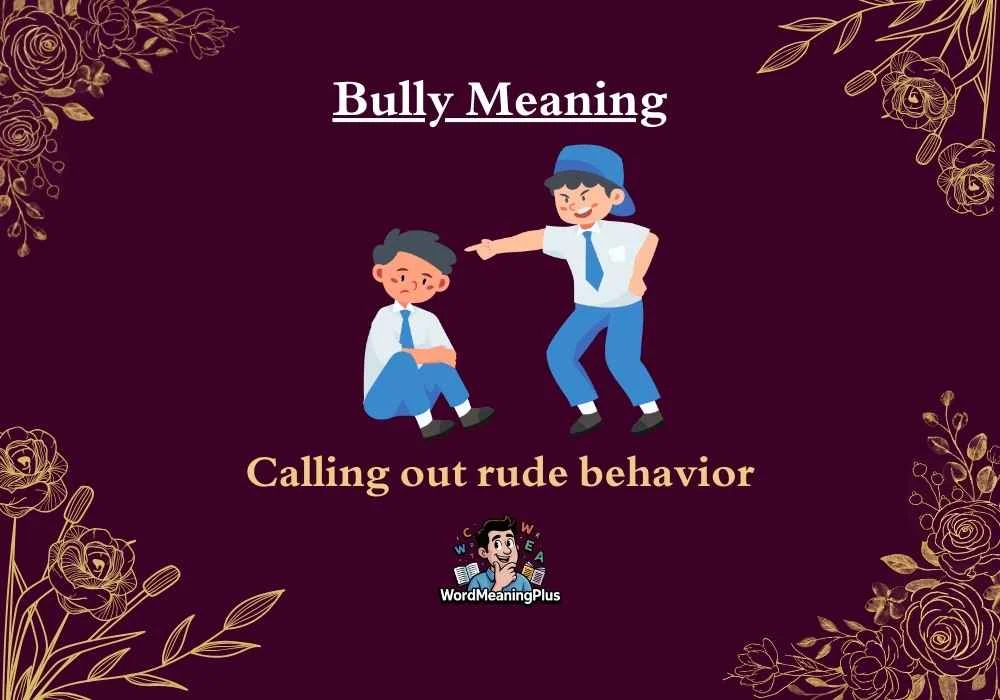
- Calling out rude behavior
- Light sarcasm or humor
Example (casual chat):
Stop bullying me 😭 I was just 2 minutes late.
Here, no real harm is meant—it’s playful exaggeration.
How to Use “Bully” in Texts or Chat
Using “bully” correctly depends on who you’re talking to and where you’re chatting.
1. Serious Contexts
Use “bully” carefully when discussing:
- School issues
- Workplace behavior
- Online harassment
- Mental health topics
Example:
Online bullying can seriously affect mental health.
This usage is factual and respectful.
2. Casual or Playful Contexts
Among friends, “bully” can be joking or dramatic.
Examples:
- “Why are you bullying me for liking pineapple pizza?”
- “They bullied me into watching that show.”
This does not mean real bullying—just peer pressure or teasing.
3. Social Media & Gaming Chats
In gaming or comment sections, “bully” is often used loosely.
Example:
The chat is bullying the streamer again 💀
This may refer to teasing, trolling, or harsh jokes—not always real abuse.
Examples of “Bully” in Real Conversations
To fully understand bully meaning, let’s look at realistic chat-style examples.
Example 1: Friendly Teasing
A: You still use that phone?
B: Wow, stop bullying me 😭
✅ Playful, not serious
Example 2: Calling Out Behavior
That comment felt like bullying. Please chill.
✅ Setting boundaries
Example 3: Serious Situation
She left the group chat because of constant bullying.
✅ Real emotional impact
Example 4: Exaggerated Humor
They bullied me into ordering dessert 😂
✅ Means persuasion, not harm
Common Mistakes or Misunderstandings
Even though the word is common, people still misuse it.
Mistake 1: Calling Every Disagreement “Bullying”
Not all criticism is bullying.
❌ Wrong:
You disagreed with me, stop bullying.
✅ Better:
That felt harsh. Can we talk about it?
Mistake 2: Using It as a Joke With the Wrong Audience
What’s funny to friends may offend others.
⚠️ Avoid joking with:
- Strangers
- Coworkers
- Sensitive situations
Mistake 3: Ignoring Context
Tone, emojis, and timing matter.
Compare:
- “Stop bullying me 😂” → playful
- “Stop bullying me.” → serious
How to Tell If “Bully” Is Serious or a Joke
Use these clues 👇
Check the Context
- Is it a heated conversation?
- Is someone upset?
Look for Emojis
- 😂 😭 💀 = usually joking
- No emoji + short sentence = possibly serious
Relationship Matters
- Friends = playful
- Authority figures or strangers = serious
Related Slangs or Abbreviations (2025)
Understanding similar slang helps you fully grasp bully meaning online.
1. Troll
Someone who posts to provoke or annoy.
He’s just trolling, ignore him.
2. Roast
Playful insults, often mutual.
That roast was brutal but funny.
3. Drag
Calling someone out publicly.
Twitter dragged him for that post.
4. Clowning
Making fun of someone lightly.
They’re clowning him in the comments.
5. Cyberbullying
Repeated online harassment.
Schools now address cyberbullying seriously.
Where Is “Bully” Commonly Used?
In 2025, you’ll see bully used across many platforms:
- 📱 Text messages
- 💬 WhatsApp & Messenger
- 🎮 Gaming chats (Discord, Twitch)
- 📸 Instagram & TikTok comments
- 🧵 Reddit threads
- 🐦 X (Twitter)
Each platform has a different tone, so meaning changes slightly.
How to Respond When Someone Says “You’re Bullying Me”
If They’re Joking
- Reply with humor
“Okay okay, peace offering incoming 😅”
If They’re Serious
- Pause and acknowledge
“I didn’t mean to come off that way. Sorry.”
If You’re Unsure
- Ask calmly
“Hey, was that serious? I want to understand.”
Why Understanding Bully Meaning Matters (Personal Insight)
As online communication grows, words carry more weight than ever. I’ve seen friendships break simply because someone misunderstood a joking “stop bullying me” as real aggression.
Knowing the bully meaning in chat helps you:
- Communicate clearly
- Avoid unnecessary drama
- Be more empathetic online
In 2025, digital literacy isn’t optional—it’s essential.
SEO Tip: Internal Linking Ideas (Optional)
For better SEO and user experience, consider linking this article with:
- “Troll Meaning in Text”
- “Roast Meaning in Slang”
- “Cyberbullying Meaning Explained”
- “Clowning Someone Meaning in Chat”
Conclusion: Bully Meaning Made Simple
The bully meaning in texting and chat can range from serious harassment to harmless joking. Context, tone, emojis, and relationships all decide what the word truly means.
In short:
- Serious context = real harm
- Casual context = teasing or exaggeration
- Online slang = flexible and evolving
Understanding this helps you communicate better and avoid awkward or hurtful misunderstandings.

Anderson is a passionate writer and language enthusiast who loves exploring the meanings of words, modern slang, and internet abbreviations. As the author of WordMeaningPlus.com, Anderson’s goal is to help readers understand the true meaning of words, phrases, and texting slang in simple and easy English.
With a strong interest in language, communication, and online trends, Anderson writes informative articles that explain word meanings, chat abbreviations, and social media slang in a way that is clear, helpful, and easy to understand. The main mission of WordMeaningPlus.com is to make language learning simple for everyone, especially students, bloggers, and internet users who want quick and accurate meanings.