Understanding the okay meaning in text messages is more important than most people think. A simple “okay” can sound friendly, cold, passive-aggressive, supportive, or even annoyed—depending on how, when, and where it’s used. In modern texting culture, “okay” is no longer just okay.
In this updated-for-2026 guide, we’ll break down what okay really means in chats, how people actually use it today, and how you can avoid awkward misunderstandings in texts, DMs, and online conversations.
What Does “Okay” Mean? (Definition & Origin)
Basic Definition
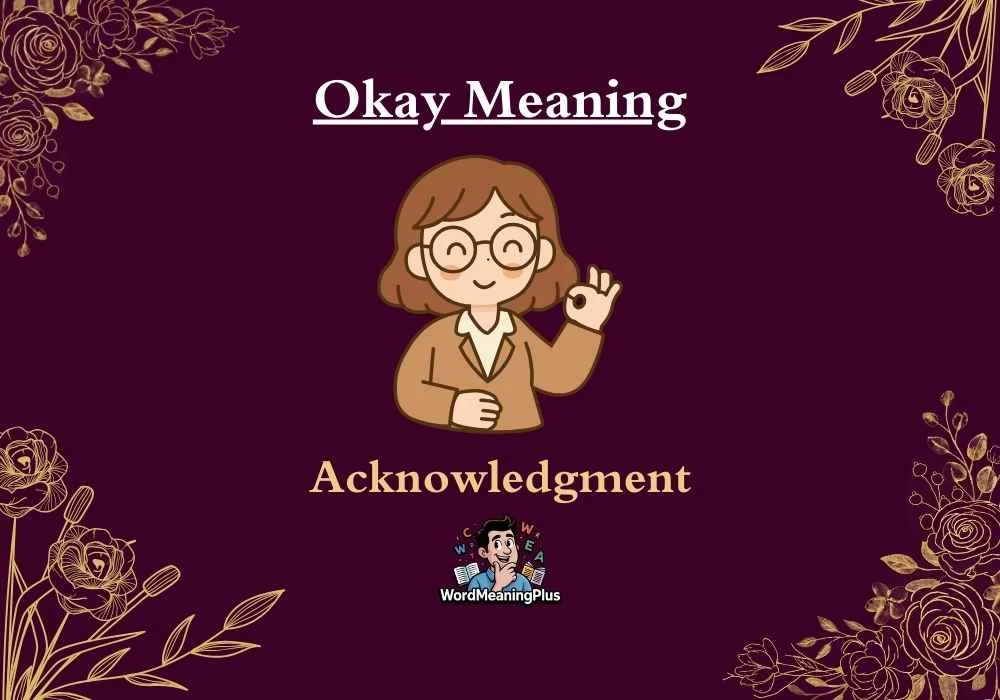
At its core, okay (or ok) means:
- Agreement
- Acceptance
- Confirmation
- Acknowledgment
Example:
“Let’s meet at 7.”
“Okay.”
Simple, right? Not anymore.
The Origin of “Okay”
The word okay dates back to the 1800s and originally came from a humorous abbreviation of “all correct” spelled as “oll korrect.” Over time, it became OK, then okay, and now it’s one of the most-used words in the world.
In texting culture, however, tone matters more than the word itself.
Modern “Okay” Meaning in Text (2026 Context)
In today’s chats, the okay meaning depends on:
- Who sent it
- The conversation mood
- Punctuation
- Emojis (or lack of them)
That’s why “okay” can mean very different things in different situations.
How to Use “Okay” in Texts or Chat
1. “Okay” as Agreement
This is the most neutral and traditional meaning.
Examples:
- “I’ll send the file tonight.” → Okay
- “Let’s talk later.” → Okay
✅ Usually safe
⚠️ Can still sound dry if overused
2. “Okay” as Emotional Distance
Short replies like “okay.” (with a period) often feel cold.
Example:
“Did I upset you?”
“Okay.”
This version can mean:
- “I don’t want to talk”
- “I’m annoyed”
- “Conversation closed”
3. “Okay” as Passive-Aggressive
Yes, okay can be passive-aggressive.
Example:
“I can’t come anymore.”
“Okay.”
Translation:
“I’m not happy, but I won’t argue.”
4. “Okay” as Polite Ending
Many people use okay to end conversations politely.
Examples:
- “Thanks for letting me know.” → Okay
- “I’ll update you later.” → Okay
It’s not rude—just final.
5. “Okay” with Emojis (Tone Fixer)
Adding emojis changes everything.
Examples:
- Okay 😊 = Friendly, warm
- Okay 👍 = Agreement, no drama
- Okay 😅 = Awkward but trying
👉 Emojis soften the tone and remove doubt.
Examples of “Okay” in Real Conversations
Friendly Chat
Friend: “Movie night tomorrow?”
You: Okay! Sounds fun 😄
✔ Positive
✔ Engaged
✔ Clear agreement
Dry or Cold Response
Partner: “I miss you.”
Reply: Okay
❌ Sounds uninterested
❌ Can hurt feelings
Work or Professional Chat
Boss: “Please revise this by noon.”
You: Okay, will do.
✔ Professional
✔ Clear
✔ Respectful
Passive-Aggressive Example
“I forgot our plan.”
“Okay.”
😬 Translation: Not happy at all.
Common Mistakes or Misunderstandings
Mistake 1: Assuming “Okay” Is Always Neutral
Many people think okay is harmless. In reality, it often feels dismissive.
Mistake 2: Using “Okay.” with a Period
That tiny dot changes the whole vibe.
- Okay = neutral
- Okay. = cold / serious / annoyed
Mistake 3: Overusing “Okay”
Replying okay to everything can make you sound:
- Uninterested
- Emotionally unavailable
- Lazy in conversation
Mistake 4: Using “Okay” in Emotional Conversations
When someone shares feelings, okay can feel invalidating.
Bad example:
“I’m really stressed lately.”
“Okay.”
Better:
“I understand.”
“That sounds tough.”
Related Slangs or Abbreviations (Similar Meanings)
Here are popular alternatives to okay in modern texting:
Casual & Friendly
- K – Very short, can sound rude
- Okie / Oki – Cute, playful
- Alright – More relaxed
Agreement-Based
- Bet – Confident yes
- Sure – Polite acceptance
- Yep / Yeah – Casual agreement
Emotion-Based Variations
- kk – Friendly, gaming slang
- Aight – Informal, relaxed
- Got it – Clear understanding
👉 Internal linking suggestion:
You can link this section to articles like “K Meaning in Text,” “kk Meaning,” or “Bet Meaning in Slang.”
When Should You Use “Okay” (And When Not To)
Best Times to Use “Okay”
✔ Scheduling
✔ Confirmations
✔ Professional chats
✔ Neutral conversations
Avoid Using “Okay” When
❌ Someone is emotional
❌ Apologizing to you
❌ Serious relationship talks
❌ You want to sound caring
“Okay” Meaning on Social Media & DMs
On WhatsApp & iMessage
- Often sounds short or final
- Emojis recommended
On Instagram & Snapchat
- Can feel dry
- Often replaced with reactions 👍🔥😂
On Reddit & Forums
- Used neutrally
- Less emotional meaning
Why “Okay” Feels Rude to Some People (Psychology Insight)
Modern texting expects emotional feedback.
“Okay” gives no emotional signal, which can feel like:
- Rejection
- Disinterest
- Emotional shutdown
That’s why people often ask:
“Why did you just say okay?”
Updated Usage Trend (2026 Insight)
In 2025:
- People prefer expressive replies
- Emojis and reactions replace “okay”
- Short replies without emotion are seen as low effort
“Okay” isn’t disappearing—but how it’s interpreted is evolving.
Final Thoughts: The Real “Okay” Meaning in Text
The okay meaning in text is simple—but powerful. It can confirm plans, shut down conversations, or quietly express emotion without saying much at all. In today’s chat culture, tone matters more than words, and “okay” is the perfect example.
If you want to sound friendly, add context or emojis. If you want to sound professional, expand it slightly. And if you care about the conversation—don’t rely on okay alone.
Updated for 2026, this guide helps you understand not just what “okay” means, but how it

Anderson is a passionate writer and language enthusiast who loves exploring the meanings of words, modern slang, and internet abbreviations. As the author of WordMeaningPlus.com, Anderson’s goal is to help readers understand the true meaning of words, phrases, and texting slang in simple and easy English.
With a strong interest in language, communication, and online trends, Anderson writes informative articles that explain word meanings, chat abbreviations, and social media slang in a way that is clear, helpful, and easy to understand. The main mission of WordMeaningPlus.com is to make language learning simple for everyone, especially students, bloggers, and internet users who want quick and accurate meanings.