If you’ve ever seen someone type “Uncle Sam” in a chat, tweet, meme, or comment section and thought, “Wait… are they talking about their real uncle?” — you’re not alone 😅
In modern texting and internet culture, Uncle Sam isn’t just a history book character anymore. It’s a phrase packed with sarcasm, humor, politics, and money talk.
Understanding the Uncle Sam meaning helps you catch jokes, avoid awkward misunderstandings, and sound more “online-smart” in 2026.
This guide breaks it all down in simple, human language, with real chat examples, slang usage, and modern context — fully updated for 2026.
What Does “Uncle Sam” Mean?
Uncle Sam Meaning (Simple Definition)
Uncle Sam is a nickname for the United States government, especially when talking about:
- Taxes 💸
- Government authority
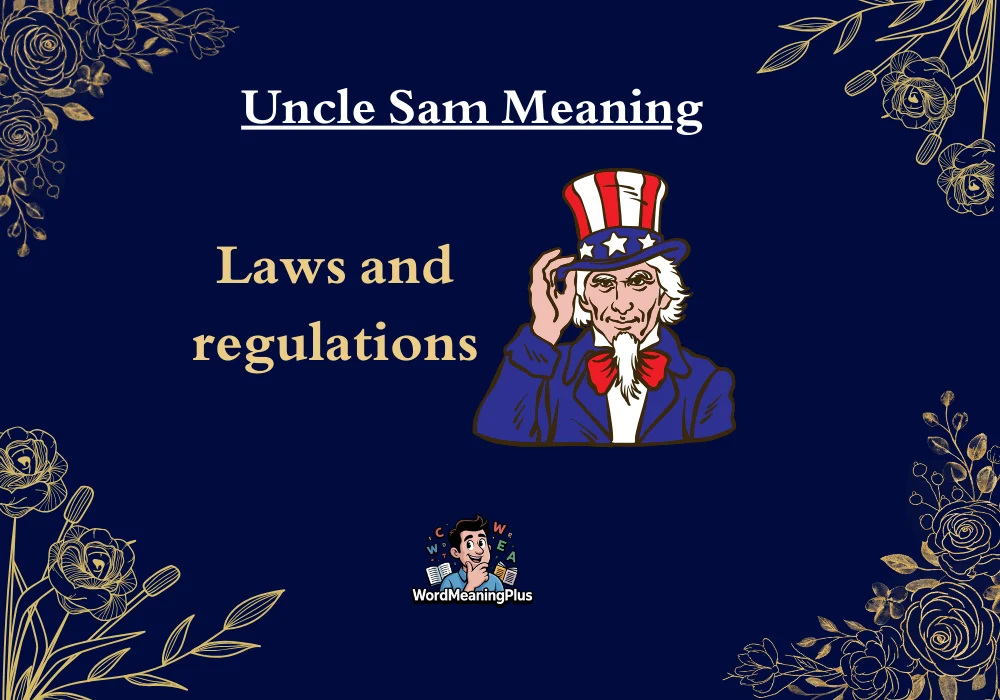
- Laws and regulations
- Military or national power
- Federal systems (IRS, government aid, etc.)
In texting and online slang, “Uncle Sam” is often used jokingly, sarcastically, or critically.
👉 In short:
Uncle Sam = the U.S. government
Origin of “Uncle Sam”
The term Uncle Sam dates back to the early 1800s.
- During the War of 1812, supplies were marked “U.S.”
- Soldiers joked that it stood for “Uncle Sam”
- The name stuck and became a symbol of America
Later, Uncle Sam became famous through posters like:
“I Want YOU for the U.S. Army”
That tall guy with the white beard, top hat, and pointing finger? Yep — Uncle Sam 👈🇺🇸
Uncle Sam Meaning in Texting & Online Slang
How People Use “Uncle Sam” Today
In modern chats, Uncle Sam is rarely serious. It’s often used to:
- Joke about paying taxes
- Complain about government rules
- Make political memes
- Talk about money being taken away
- Refer to U.S. authority in a sarcastic way
💬 Tone matters:
Most of the time, it’s ironic, funny, or slightly annoyed.
Common Contexts Where You’ll See “Uncle Sam”
You’ll often spot Uncle Sam in:
- Text messages
- Twitter (X) posts
- Reddit threads
- Political memes
- TikTok captions
- Instagram comments
- News reactions
How to Use “Uncle Sam” in Texts or Chat
Using Uncle Sam correctly is all about context and tone.
Correct Ways to Use “Uncle Sam”
You can use it when talking about:
- Taxes
- Government money
- Rules or restrictions
- Federal power
- Military or national identity
✅ It works best in casual or humorous conversations
When NOT to Use “Uncle Sam”
Avoid using it when:
- Talking to someone who doesn’t understand U.S. culture
- Writing formal emails or legal content
- Discussing sensitive political issues without context
Examples of “Uncle Sam” in Conversations
Here are real-life, relatable chat-style examples 👇
Casual Texting Examples
Friend 1:
I just got my paycheck
Friend 2:
Nice, but Uncle Sam already took his cut 😭
Person A:
Why is gas so expensive now?
Person B:
Ask Uncle Sam 🙃
Social Media Examples
- “Working overtime just for Uncle Sam to win again 💀”
- “Uncle Sam wants his taxes, no excuses”
- “This fee, that fee… Uncle Sam never sleeps”
Funny or Sarcastic Usage
- “I don’t own my money, Uncle Sam does”
- “I blinked and Uncle Sam charged me”
- “Uncle Sam watching my bank account like 👀”
Uncle Sam Meaning in Memes
In 2026, Uncle Sam memes are everywhere.
Popular meme themes include:
- Uncle Sam stealing money
- Uncle Sam pointing at you for taxes
- Uncle Sam as the IRS
- Uncle Sam as a silent observer of spending
Memes often exaggerate the idea that:
“No matter what you do, Uncle Sam gets paid.”
Common Mistakes & Misunderstandings
❌ Mistake 1: Thinking It’s a Real Person
Some people (especially non-native speakers) think Uncle Sam refers to an actual uncle.
✅ Reality:
It’s symbolic, not personal.
❌ Mistake 2: Using It Outside U.S. Context
“Uncle Sam” only makes sense when talking about America or the U.S. government.
Using it for other countries = confusing.
❌ Mistake 3: Using It in Formal Writing
Avoid sentences like:
“Uncle Sam requires tax documents.”
Instead, use:
“The U.S. government requires tax documents.”
Related Slang & Abbreviations
If you understand Uncle Sam, you’ll also see these often 👇
Related Terms
- IRS – U.S. tax agency
- Big Brother – Government surveillance
- The Feds – Federal authorities
- Gov – Short for government
- Taxman – British-style equivalent
- Federal cut – Money taken by the government
Slang Comparison Table
| Term | Meaning | Tone |
|---|---|---|
| Uncle Sam | U.S. government | Sarcastic |
| IRS | Tax authority | Neutral |
| Big Brother | Surveillance/state control | Critical |
| The Feds | Federal law enforcement | Serious/Casual |
Why “Uncle Sam” Is Still Relevant in 2026
Despite being over 200 years old, the term Uncle Sam is more alive than ever.
Why?
- Rising online political discussions
- Meme culture dominance
- Increased tax and cost-of-living talks
- Social media humor thrives on symbols
In short:
Old symbol, modern vibe.
How Non-Americans See “Uncle Sam”
Outside the U.S., people often use Uncle Sam to mean:
- America as a country
- U.S. influence
- American policies
Example:
“Uncle Sam always has a say in global politics.”
Is “Uncle Sam” Offensive?
Good question 👀
✅ Generally: No
But it can feel negative if:
- Used aggressively
- Used in political arguments
- Used to mock serious issues
Tone decides everything.
Quick Summary: Uncle Sam Meaning
Let’s recap 👇
- Uncle Sam = the U.S. government
- Used mostly in jokes, sarcasm, and memes
- Common in texts, social media, and online chats
- Often linked to taxes, money, rules, and authority
- Still very popular in 2026 internet culture
Final Thoughts
Understanding the Uncle Sam meaning helps you stay fluent in modern internet language, memes, and casual political talk. It’s one of those phrases that sounds old-school but fits perfectly in today’s digital conversations.
Next time you see someone say,
“Uncle Sam already took it”
you’ll know exactly what they mean — and maybe even laugh 😄

Anderson is a passionate writer and language enthusiast who loves exploring the meanings of words, modern slang, and internet abbreviations. As the author of WordMeaningPlus.com, Anderson’s goal is to help readers understand the true meaning of words, phrases, and texting slang in simple and easy English.
With a strong interest in language, communication, and online trends, Anderson writes informative articles that explain word meanings, chat abbreviations, and social media slang in a way that is clear, helpful, and easy to understand. The main mission of WordMeaningPlus.com is to make language learning simple for everyone, especially students, bloggers, and internet users who want quick and accurate meanings.