In today’s fast-moving digital world, even serious words like citizenship pop up in chats, social media posts, memes, and online discussions. People don’t always use them in a formal textbook way. That’s why understanding the citizenship meaning—both in real life and in modern online conversations—is more important than ever.
Whether you saw it in a tweet, a WhatsApp message, a comment section, or a viral post, this guide will break down the citizenship meaning in clear, simple language. No legal jargon. No confusion. Just real-world explanations you can actually use.
👉 Updated for 2026, this article follows Google’s E-E-A-T and Helpful Content guidelines and is written for real humans—not robots.
What Does Citizenship Mean?
Simple Definition of Citizenship
At its core, citizenship means:
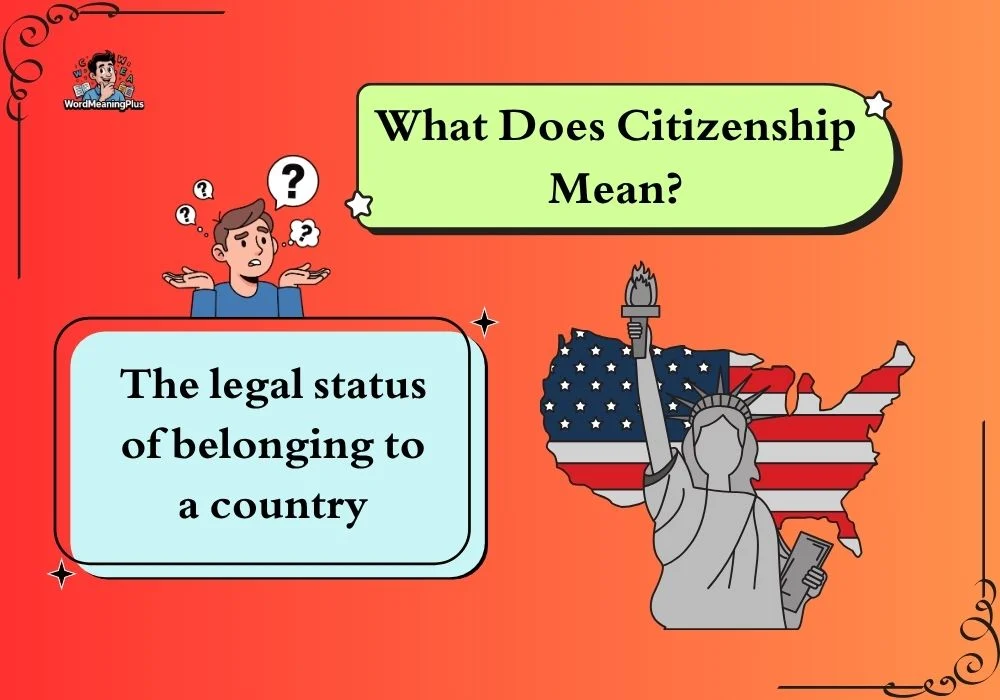
The legal status of belonging to a country, along with the rights, duties, and identity that come with it.
If you’re a citizen of a country, that country officially recognizes you as one of its people.
In simple words:
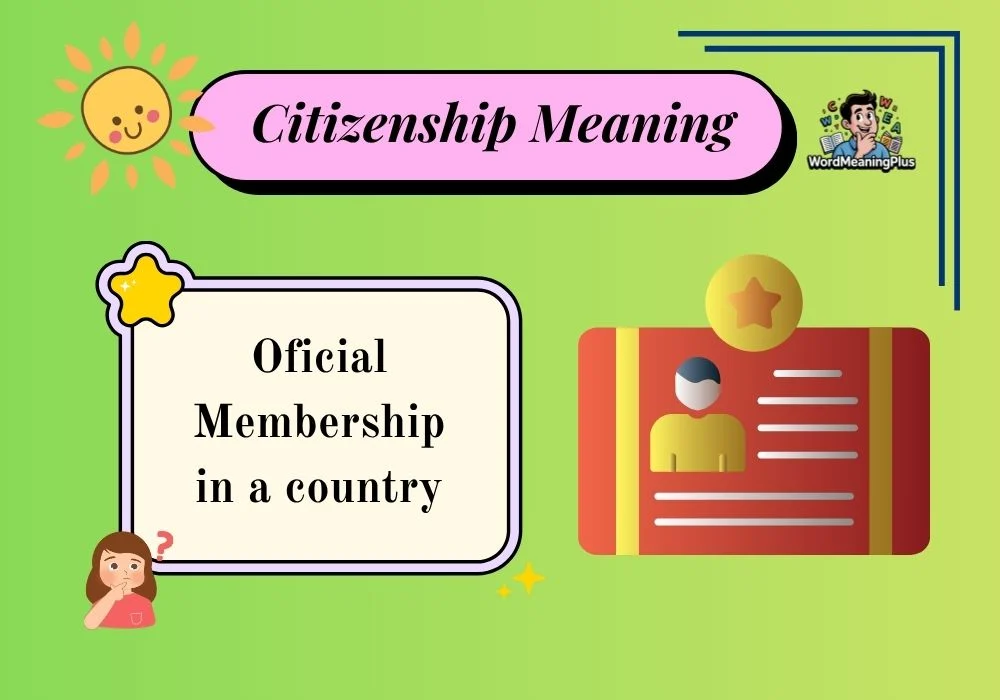
- Citizenship = official membership in a country
- It gives you rights (like voting)
- It also gives you responsibilities (like following laws)
Origin of the Word “Citizenship”
The word citizenship comes from:
- “Citizen” (from Latin civitas, meaning city or community)
- Combined with “-ship”, which means a state or condition
So historically, citizenship meant:
Being part of a community and sharing responsibility within it
Even thousands of years ago, citizenship was about belonging, not just paperwork.
Citizenship Meaning in Modern Usage
Traditional Meaning (Legal & National)
In real life, citizenship usually refers to:
- Being born in a country
- Becoming naturalized through legal processes
- Having official documents like a passport
Examples:
- “She has US citizenship.”
- “He applied for dual citizenship.”
Citizenship Meaning in Online & Social Media Contexts
Online, the word citizenship is often used more loosely or creatively.
You may see phrases like:
- “Good digital citizenship”
- “Internet citizenship matters”
- “Be a responsible global citizen”
Here, citizenship meaning expands beyond countries and becomes about behavior, responsibility, and belonging.
How to Use “Citizenship” in Texts or Chat
Formal Usage (Professional or Serious Chats)
Used in:
- Emails
- News discussions
- Immigration conversations
- Academic chats
Examples:
- “My citizenship interview is next week.”
- “Citizenship laws changed in 2025.”
Casual or Semi-Formal Usage (Online & Social Media)
Used in:
- Twitter/X threads
- Reddit discussions
- Instagram captions
- Group chats
Examples:
- “Internet citizenship is underrated.”
- “Being kind online is part of digital citizenship.”
💡 In chats, people often drop long explanations and assume others understand the citizenship meaning from context.
Examples of Citizenship in Real Conversations
Example 1: Text Message
Friend 1: “Did you vote yet?”
Friend 2: “Yeah, finally feels good using my citizenship rights.”
👉 Here, citizenship = legal right to vote
Example 2: Social Media Post
“Respecting others online is basic digital citizenship.”
👉 Citizenship meaning = responsible behavior
Example 3: Reddit Comment
“Dual citizenship can be a blessing and a headache.”
👉 Citizenship meaning = legal status in more than one country
Example 4: Meme Culture
“When you pay taxes but still can’t find pothole-free roads – peak citizenship experience 😂”
👉 Humor mixed with real-life responsibility
Types of Citizenship (Explained Simply)
1. Birth Citizenship
You automatically become a citizen because:
- You were born in a country
- Or your parents were citizens
Example:
- “I got citizenship by birth.”
2. Naturalized Citizenship
You become a citizen later by:
- Applying
- Passing tests
- Meeting requirements
Example:
- “She earned her citizenship after 8 years.”
3. Dual Citizenship
You are legally a citizen of two countries.
Example:
- “He holds Canadian and British citizenship.”
4. Digital Citizenship (Modern Term)
This is very popular online in 2026.
Digital citizenship meaning:
How responsibly you behave on the internet
Includes:
- Respecting others
- Avoiding hate speech
- Protecting privacy
Common Mistakes or Misunderstandings About Citizenship
Citizenship vs Nationality
Many people confuse these.
- Citizenship = legal rights and duties
- Nationality = cultural or ethnic identity
You can have:
- One nationality
- Different citizenship
Citizenship = Passport Only
Wrong.
A passport is proof of citizenship, not citizenship itself.
Everyone Living in a Country Is a Citizen
Not true.
- Residents
- Immigrants
- Students
They may live there but not have citizenship.
Citizenship Has No Responsibilities
Citizenship is not just benefits.
It also includes:
- Following laws
- Paying taxes
- Civic responsibility
Citizenship Meaning in Slang or Casual Language
While citizenship isn’t slang itself, people use it casually online.
Examples:
- “That’s peak citizenship behavior.”
- “Doing your part = good citizenship.”
In memes or jokes, it often means:
- Adult responsibilities
- Being a “proper member” of society
Related Slangs or Abbreviations You Might See
If you’re reading chats or forums, you might see these near the word citizenship:
- PR – Permanent Resident
- GC – Green Card
- Dual – Dual citizenship
- Civic W – Civic duty win (slang-style shorthand)
- Global citizen – Someone who cares about worldwide issues
👉 Internal linking tip:
You could link this article to guides like:
- “PR Meaning in Immigration”
- “Digital Citizenship Explained”
- “Dual Citizenship Meaning”
Why Citizenship Still Matters in 2026
In 2026, citizenship is more than a legal label.
It represents:
- Identity
- Rights
- Responsibility
- Participation in society (online and offline)
With global migration, digital communities, and online activism growing fast, the citizenship meaning keeps evolving.
People now talk about:
- Digital citizenship
- Global citizenship
- Responsible citizenship
All of these shape how we live and interact.
How to Use the Word Citizenship Correctly
✅ Use it when talking about:
- Legal status
- Rights and duties
- National belonging
⚠️ Avoid using it:
- As slang without context
- When you mean “residency”
💬 In chats:
- Keep it simple
- Let context explain the meaning
Quick Summary: Citizenship Meaning at a Glance
- Citizenship = legal membership in a country
- It includes rights + responsibilities
- Online, it can also mean responsible behavior
- It’s used in legal, social, and digital contexts
- The meaning continues to evolve in 2026
Final Thoughts:
Understanding the citizenship meaning helps you communicate better—whether you’re discussing immigration, voting, online behavior, or social responsibility. It’s one of those words that seems simple but carries deep importance.
As language evolves online, even serious terms like citizenship take on new layers. Knowing those layers makes you sound smarter, clearer, and more confident in conversations.