In today’s fast-moving world of texting, DMs, and online chats, people often shorten deep ideas into quick phrases. One phrase that keeps popping up—especially in messages about future plans—is “God willing.” You might see it in texts, WhatsApp chats, comments, or even social media captions.
But what does god willing meaning really imply in chat culture? Is it religious? Polite? Formal? Or just a casual way of saying “hopefully”?
Understanding this phrase matters because it carries tone, intention, and cultural meaning. Used the right way, it sounds respectful and thoughtful. Used the wrong way, it can feel confusing or overly serious.
This guide breaks it all down in simple, modern language, with real chat examples—updated for 2026.
What Does “God Willing” Mean? (Definition & Origin)

Simple Definition
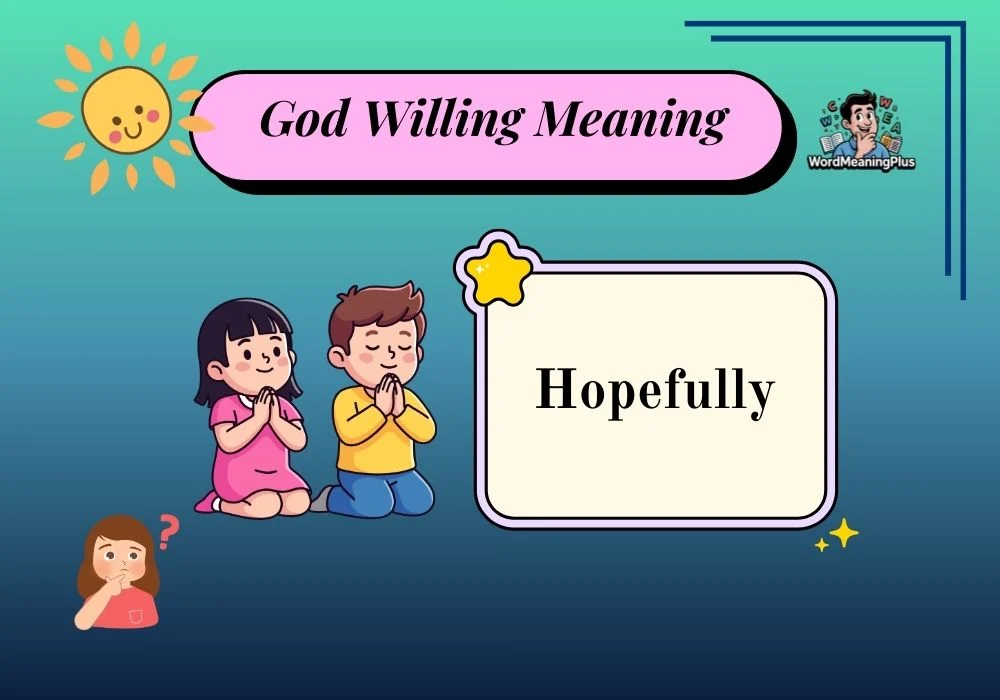
God willing means “if everything goes as planned” or “if nothing prevents it from happening.”
In texting and chat, it’s often used to talk about future plans that are not 100% guaranteed.
In plain English:
- “I’ll see you tomorrow, God willing”
= I plan to see you tomorrow, but life can change.
Origin of “God Willing”
The phrase comes from religious and cultural traditions that recognize human plans are uncertain.
It exists in many languages:
- English: God willing
- Arabic: Inshallah
- Spanish: Si Dios quiere
- French: Si Dieu le veut
Over time, god willing meaning in chat has become more flexible and less formal, especially among friends and family.
What Does “God Willing” Mean in Texting and Chat?

In modern messaging, God willing usually means:
- 🤞 Hopefully
- 🕰️ If nothing unexpected happens
- 🙏 With luck and good fortune
- 💬 I intend to, but I can’t promise
It does not always mean strong religious intent. Many people use it as a polite, respectful phrase, even if they’re not religious.
Tone Depends on Context
- Casual chats: sounds friendly and humble
- Family messages: respectful and traditional
- Work or formal chats: polite but slightly formal
- Social media: thoughtful or sincere
How to Use “God Willing” in Texts or Chat

Correct Situations to Use It
Use God willing when talking about:
- Future plans
- Hopes or intentions
- Events that depend on circumstances
Examples:
- Travel plans
- Health-related updates
- Meetings or visits
- Long-term goals
Common Texting Formats
People write it in different ways:
- God willing
- God-willing
- (God willing)
- GW (very rare and informal)
💡 Tip: In casual chat, lowercase “god willing” is common and accepted.
Examples of “God Willing” in Conversations
Casual Texting Examples
- “I’ll call you tonight, God willing 😊”
- “We’ll finish the project tomorrow, God willing.”
- “See you next week, God willing!”
Family or Respectful Messages
- “I’ll visit you this weekend, God willing.”
- “She’ll recover soon, God willing 🙏”
Social Media Examples (2025 Style)
- “New job starts Monday, God willing ✨”
- “Vacation loading… God willing 🌴”
- “Goals for 2025—success, peace, growth. God willing.”
Funny or Lighthearted Use
- “Gym at 6am tomorrow… God willing 😅”
- “I’ll wake up early, God willing (no promises).”
Is “God Willing” Religious or Casual?
This is one of the biggest misunderstandings.
The Truth
- Yes, it has religious roots
- No, it’s not always religious in chat
In 2026, many people use it simply to sound:
- Polite
- Humble
- Realistic
- Thoughtful
Who Commonly Uses It
- Older generations
- Families
- Multicultural communities
- People influenced by global slang (like Inshallah)
Common Mistakes or Misunderstandings
Mistake #1: Thinking It Means “Maybe”
❌ Not exactly.
God willing still shows intention, not doubt.
✔️ It means: I want this to happen.
Mistake #2: Using It for Past Events
❌ “I finished the work, God willing.”
✔️ Correct: “I’ll finish the work tomorrow, God willing.”
Mistake #3: Overusing It in Professional Emails
In work chats, it can sound:
- Too personal
- Too informal
Better alternatives:
- “Hopefully”
- “If all goes well”
- “As planned”
Mistake #4: Assuming Everyone Is Religious
Be mindful of your audience.
With close friends? Totally fine.
With strangers or formal settings? Use carefully.
When NOT to Use “God Willing”
Avoid using it when:
- Making firm promises
- Confirming completed tasks
- Writing legal or official documents
- Giving exact deadlines at work
Example to avoid:
- ❌ “The report is done, God willing.”
Related Slangs and Similar Phrases
Here are modern alternatives with similar meaning:
Casual & Modern
- Hopefully
- Fingers crossed
- If all goes well
- With luck
Cultural & Global
- Inshallah (Arabic slang, widely used online)
- By God’s grace
- Touch wood (UK)
Texting-Friendly Versions
- 🤞
- 🙏
- “Let’s see”
- “If nothing comes up”
💡 Internal linking idea:
Link to articles like “Inshallah Meaning in Text”, “Hope This Helps Meaning”, or “BRB Meaning in Chat” for better SEO.
Why “God Willing” Is Still Popular in 2025
Despite fast slang and emojis, God willing remains popular because:
- It’s timeless
- It sounds respectful
- It works across cultures
- It fits emotional conversations
In a world of uncertainty, people like phrases that acknowledge reality while staying hopeful.
Quick Usage Guide (Cheat Sheet)
Use it when:
- Talking about future plans
- Expressing hope
- Being polite or humble
Don’t use it when:
- Confirming facts
- Writing formal business messages
- Talking about the past
Conclusion: God Willing Meaning in Text Explained
So, what does god willing meaning really come down to in modern chat? It’s a simple way to say “I hope this happens” while accepting that life is unpredictable. Whether you’re texting family, posting on social media, or chatting with friends, God willing adds warmth, humility, and honesty to your message.
In 2025, this phrase continues to bridge cultures, generations, and conversations—proof that not all meaningful language needs to be trendy slang or abbreviations.
Now that you understand how and when to use “God willing” in text, you can use it confidently without sounding awkward or misunderstood.