If you’ve seen “SIEM” in a text, chat, forum, or online discussion and felt confused—you’re not alone. Abbreviations move fast in modern digital culture, and some words can mean very different things depending on context. Understanding the SIEM meaning can save you from misunderstandings, awkward replies, or feeling left out of the conversation.
In 2026, people use abbreviations not just in casual texting but also in tech chats, cybersecurity forums, Slack messages, Discord servers, and even workplace conversations. This guide breaks down what SIEM means, where it comes from, and how to use it correctly—whether you’re chatting with friends or reading tech-related content.
What Does SIEM Mean?
Primary Meaning of SIEM
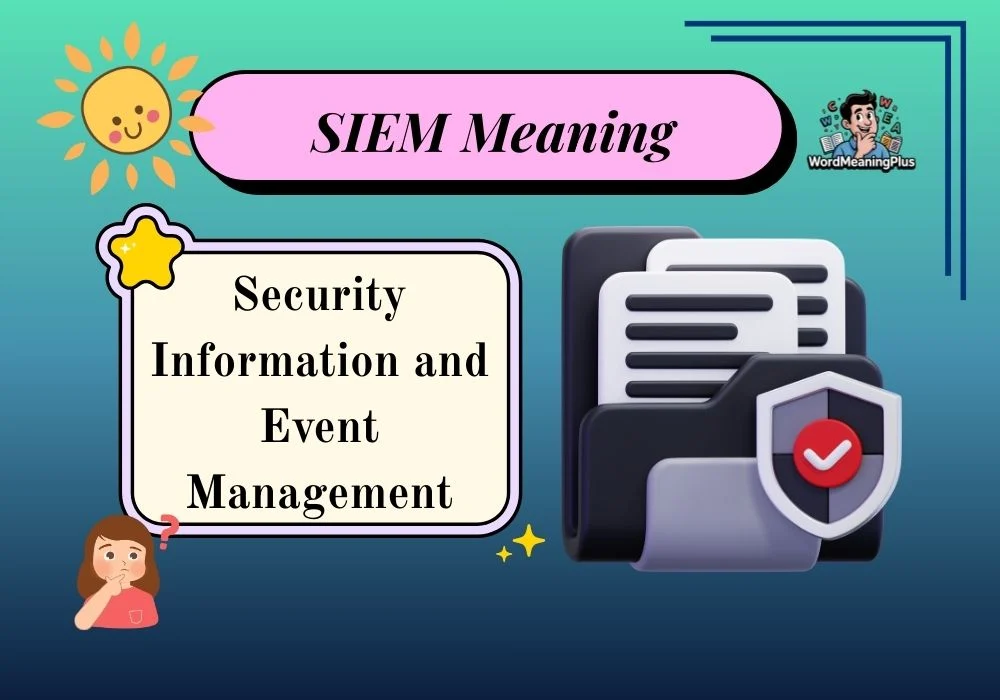
The most common and widely accepted SIEM meaning is:
SIEM = Security Information and Event Management
It’s a technology-related abbreviation, not traditional internet slang like “LOL” or “BRB.”
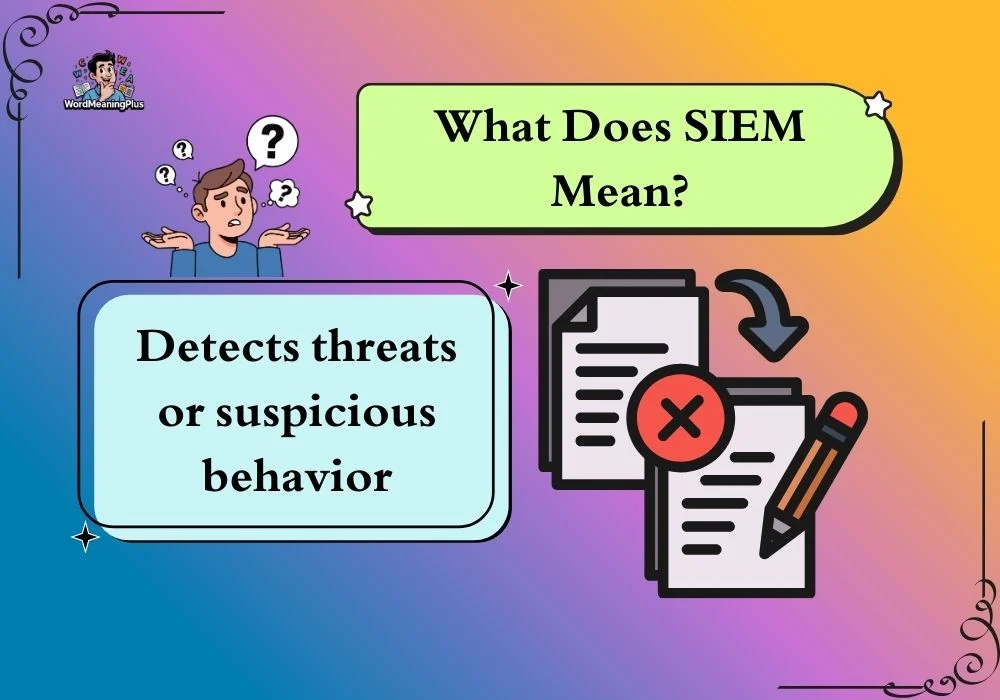
SIEM refers to a system or software that:
- Collects security data
- Analyzes events in real time
- Detects threats or suspicious behavior
This term is heavily used in:
- Cybersecurity chats
- IT discussions
- Tech forums
- Workplace messaging apps (Slack, Teams)
Where Did SIEM Come From?
The term SIEM originated in the early 2000s within the cybersecurity industry. It combines two concepts:
- SIM (Security Information Management)
- SEM (Security Event Management)
Over time, professionals merged both ideas into SIEM, and the abbreviation became standard.
💡 Important: SIEM is not casual slang—it’s a professional abbreviation that leaked into everyday chats due to tech culture and remote work.
Is SIEM Used in Texting or Chat?
Yes—but context matters a lot.
When SIEM Is Commonly Used
You’ll most often see SIEM in:
- Work-related chats
- IT support messages
- Cybersecurity Discord servers
- Reddit tech threads
- LinkedIn or X (Twitter) discussions
When SIEM Is NOT Common
You usually won’t see SIEM used in:
- Casual friend texting
- Romantic chats
- Meme comments
- TikTok slang
If someone texts “SIEM” casually, they’re almost always talking about tech or security, not emotions or reactions.
How to Use SIEM in Texts or Chats
Correct Way to Use SIEM
Because SIEM is a technical abbreviation, it should be used:
- Clearly
- In the right environment
- With people who understand tech terms
✅ Correct Usage Examples:
- “Our SIEM flagged unusual login activity last night.”
- “We need better alerts in the SIEM dashboard.”
- “The company upgraded its SIEM solution in 2026.”
Incorrect or Awkward Usage
❌ Using SIEM like casual slang:
- “That joke was SIEM 😂”
- “SIEM bro, that’s crazy”
These uses are incorrect and may confuse people.
Examples of SIEM in Real Conversations
Example 1: Workplace Chat
Alex: Did the firewall miss that attack?
Sam: No, our SIEM detected it immediately.
Example 2: Tech Forum
“If your SIEM isn’t correlating logs properly, you might miss advanced threats.”
Example 3: Slack Message
“Please check the SIEM alerts before approving access.”
Example 4: Online Course Chat
“Learning SIEM tools is essential for cybersecurity roles in 2025.”
Common Mistakes or Misunderstandings
1. Thinking SIEM Is Casual Slang
Many beginners assume SIEM is like:
- “SMH”
- “IDK”
- “IMO”
🚫 It’s not. SIEM is professional jargon.
2. Misusing SIEM in Social Chats
Using SIEM with non-tech friends may lead to confusion:
“Why are you talking about SIEM at a party?”
3. Confusing SIEM With SIM
- SIM = phone card
- SIEM = security system
They are not related.
4. Assuming SIEM Has Multiple Slang Meanings
Unlike many abbreviations, SIEM has one main meaning, which makes it easier—but only if you know the context.
Why SIEM Is Trending in 2026
The SIEM meaning is becoming more common outside tech circles because:
- Cybersecurity jobs are booming
- Remote work increased security awareness
- AI-driven attacks require monitoring
- People talk about data breaches more openly
In 2026, even non-tech users may hear SIEM in:
- News articles
- Podcasts
- Online courses
- Workplace onboarding
Related Slang & Tech Abbreviations
If you’re learning SIEM, these related terms often appear alongside it:
Common Related Abbreviations
- SOC – Security Operations Center
- MDR – Managed Detection & Response
- EDR – Endpoint Detection & Response
- XDR – Extended Detection & Response
- IDS/IPS – Intrusion Detection/Prevention Systems
📌 Internal linking tip:
You can link this article to guides like:
- “What Does SOC Mean in Tech?”
- “EDR vs SIEM Explained”
- “Top Cybersecurity Abbreviations for Beginners”
How Beginners Should Respond When They See SIEM
If someone mentions SIEM and you’re unsure:
Safe Responses
- “Are you referring to a SIEM tool?”
- “Is that related to cybersecurity monitoring?”
Avoid
- Guessing
- Using it incorrectly
- Replying casually without understanding
SIEM Meaning vs Internet Slang
| Term | Type | Usage |
|---|---|---|
| SIEM | Technical | Cybersecurity, IT |
| LOL | Slang | Casual texting |
| SMH | Slang | Emotional reaction |
| IRL | Slang | Real-life context |
👉 SIEM stands apart because it’s not playful—it’s functional.
Should You Use SIEM in Daily Texting?
Short answer: Only if the context fits.
Use SIEM when:
- Talking about work
- Discussing tech topics
- Learning cybersecurity
Avoid SIEM when:
- Chatting casually
- Talking to non-tech users
- Posting memes
Conclusion: What You Should Remember About SIEM Meaning
The SIEM meaning is simple once you know the context. It stands for Security Information and Event Management, a critical cybersecurity concept that has become more visible in online chats, work messages, and tech discussions—especially in 2026.
While SIEM isn’t casual slang, understanding it helps you:
- Follow professional conversations
- Avoid confusion
- Sound informed in tech spaces
As digital communication keeps evolving, knowing both slang and technical abbreviations gives you a serious edge.