If you’ve ever seen someone text “Check out my new digs!” and paused for a second, you’re not alone. Slang changes fast, and phrases that sound old-school can suddenly trend again in modern chats. Understanding the new digs meaning helps you keep up with casual conversations, social media posts, and everyday texting without feeling out of the loop.
In today’s chat culture, words aren’t just words—they’re shortcuts to emotions, lifestyle updates, and flexes (subtle or not 😄). This guide breaks down exactly what “new digs” means in texting, how people use it online, and how you can use it naturally.
Updated for 2026, with fresh examples and real-life context.
What Does “New Digs” Mean?
Simple Definition of New Digs
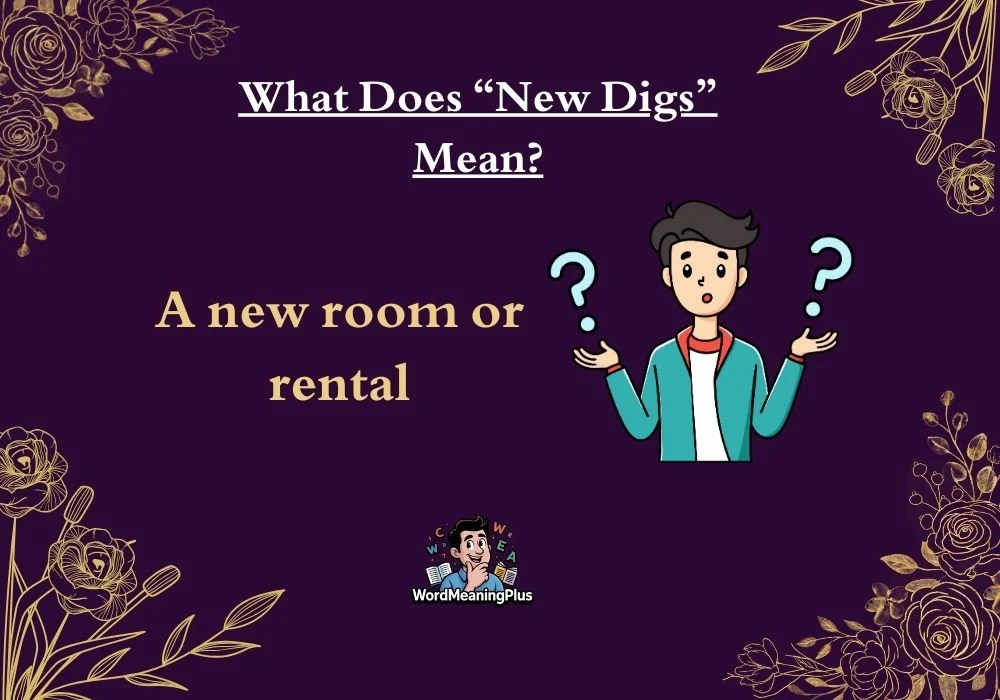
In texting and chat, “new digs” means a new place where someone lives.
It usually refers to:
- A new apartment
- A new house
- A new room or rental
- Sometimes a temporary place, like a dorm or shared space
In short: “new digs” = new home or living space
Where Did the Phrase “New Digs” Come From?
The phrase “digs” is actually pretty old. It comes from British and American slang from the 1800s, where digs meant lodging or rented rooms.
Back then:
- Students said “my digs” for their rented rooms
- Travelers used it for temporary housing
Fast forward to today, and “new digs” has been revived in:
- Text messages
- Instagram captions
- TikTok voiceovers
- Casual online chats
It sounds relaxed, friendly, and slightly playful—which is why it fits perfectly in modern slang.
How to Use “New Digs” in Texts or Chat
When Is It Appropriate to Say “New Digs”?
People use new digs when they want to:
- Announce a move
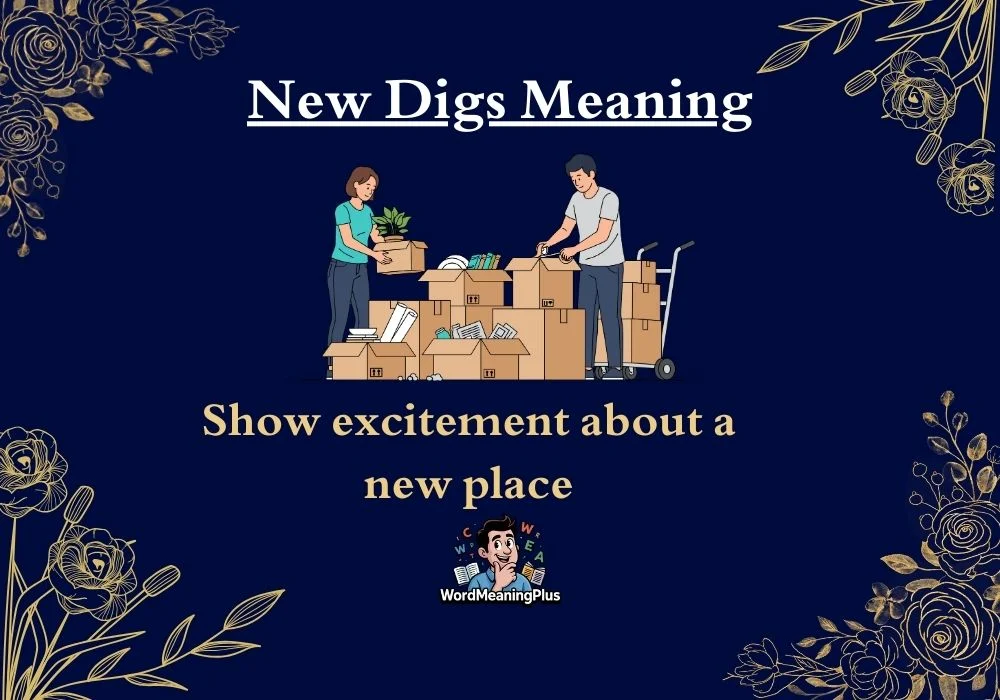
- Show excitement about a new place
- Casually update friends without sounding formal
It’s commonly used in:
- Text messages
- WhatsApp chats
- Instagram stories
- Snapchat captions
- Twitter/X posts
- Reddit comments
Tone and Vibe of “New Digs”
The tone of new digs is usually:
- Casual
- Friendly
- Slightly proud (but not braggy)
- Conversational
It’s not formal at all. You wouldn’t use it in a work email, but it’s perfect for friends and social media.
How to Use “New Digs” Naturally
Here are a few easy ways to drop it into a message:
- “Just moved into my new digs”
- “Come over this weekend and see my new digs!”
- “Still unpacking, but loving the new digs so far.”
Tip: It often sounds best when paired with emotions, emojis, or casual follow-up text.
Examples of “New Digs” in Real Conversations
Text Message Examples
Friend:
“Why have you been offline all day?”
You:
“Moving chaos 😭 finally settling into my new digs.”
You:
“Movie night at my new digs tonight?”
Friend:
“Say less. I’m in 🍕”
Social Media Examples
- Instagram caption:
“New city, new vibes, new digs ✨🏡” - TikTok text overlay:
“POV: You finally move into your new digs” - Snapchat story:
“Room tour of the new digs coming soon 👀”
Funny or Relatable Usage
- “My new digs are smaller, but at least the rent won’t hurt my soul.”
- “New digs unlocked, furniture still pending.”
- “Welcome to my new digs—please ignore the boxes.”
These relatable lines are why the phrase still works so well in 2025.
Common Mistakes or Misunderstandings
Even simple slang can be misused. Here are the most common mistakes people make with new digs.
❌ Mistake 1: Using It for Non-Living Spaces
Some people mistakenly use new digs for:
- A new office
- A new job
- A new hangout spot
🚫 Example (wrong):
“Started a new job today, these are my new digs.”
✅ Correct use:
“Started a new job today—office looks cool though!”
New digs almost always refers to a living space.
❌ Mistake 2: Thinking “Digs” Means Digging
If English isn’t your first language, this one’s easy to misunderstand.
- ❌ It has nothing to do with shovels or digging holes
- ✅ It’s purely slang for housing
Context matters a lot here.
❌ Mistake 3: Using It in Formal Situations
You wouldn’t say:
- ❌ “I have relocated to my new digs” in a professional email
Instead:
- ✅ “I’ve moved to a new residence.”
New digs = casual only.
Related Slangs and Abbreviations
If you like learning slang like new digs, here are some related phrases you’ll see online:
Slang with Similar Meaning
- New place – Simple and direct
- New crib – Very popular in American slang
- New spot – Casual and flexible
- New pad – Slightly old-school, still used
- My place – Neutral and common
Texting Variations & Casual Forms
People might shorten or style it like:
- “New digs 🔑”
- “the new digs”
- “my digs”
- “fresh digs”
Why “New Digs” Is Still Popular in 2026
You might wonder why an old phrase survives in modern slang. Here’s why:
- It sounds cool without trying too hard
- It works for any age group
- It fits perfectly in short texts and captions
- It feels more personal than “new house”
In an era of quick updates and casual flexes, new digs hits the sweet spot.
How to Know When Someone Is Using “New Digs” Correctly
Ask yourself:
- Are they talking about a place to live?
- Is the tone casual or friendly?
- Is it in a text, caption, or chat?
If yes to all three, then new digs is being used correctly.
Final Thoughts:
To sum it up, the new digs meaning in text is simple but powerful. It’s a casual way to say “my new home or living place”, often shared with excitement, humor, or pride. From group chats to Instagram captions, it remains a go-to phrase in modern communication.
Understanding slang like new digs helps you read between the lines, respond naturally, and sound more confident in chats—especially as language keeps evolving online. And yes, it’s still very much alive in 2026 texting culture.

John Hudson is a passionate writer and language enthusiast who loves exploring the meanings of words, modern slang, and internet abbreviations. As the author of WordMeaningPlus.com, John Hudson’s goal is to help readers understand the true meaning of words, phrases, and texting slang in simple and easy English.
With a strong interest in language, communication, and online trends, John Hudson writes informative articles that explain word meanings, chat abbreviations, and social media slang in a way that is clear, helpful, and easy to understand. The main mission of WordMeaningPlus.com is to make language learning simple for everyone, especially students, bloggers, and internet users who want quick and accurate meanings.